
Get Healthy!
- Posted December 10, 2025
U.S. ERs Are Failing Sickle Cell Patients In Pain, Study Says
U.S. emergency rooms are failing patients in severe pain from a sickle cell disease crisis, a new study says.
Only 1 in 3 patients in an ER for sickle cell crisis receive opioid painkillers within the first hour as treatment guidelines recommend, researchers reported Saturday in Orlando at an American Society of Hematology meeting.
Adults, in particular, wound up experiencing prolonged suffering while waiting to receive opioids as recommended, researchers found.
“One of the challenges of identifying sickle cell disease pain is that there is no biomarker for it, and as a provider, you rely on what the patient tells you about how severe the pain is,” lead researcher Dr. Ibrahim Gwarzo said in a news release.
“Providers are more likely to be hesitant to administer opioids for the adult population than for little kids,” said Gwarzo, a research assistant professor at Sidney Kimmel Medical College at Thomas Jefferson University in Philadelphia.
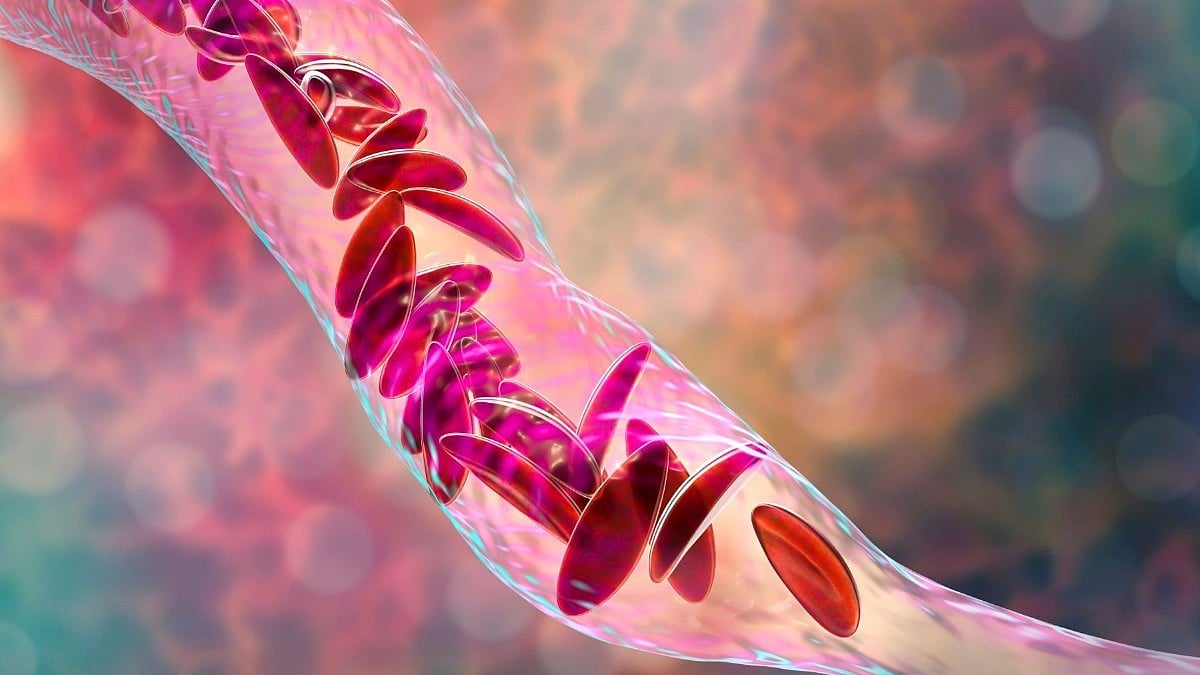
Sickle cell disease causes red blood cells to become sickle-shaped and sticky. When these abnormal cells build up in a blood vessel, they can cause episodes of severe pain known as vaso-occlusive crises, researchers said.
The American Society of Hematology and the National Heart, Lung and Blood Institute both recommend that people in a vaso-occlusive crisis receive opioid pain meds within an hour of arriving in an ER.
For this study, researchers tracked records for nearly 400,000 ER visits for vaso-occlusive crises that occurred between 2019 and 2024. These encounters involved more than 41,500 different patients at 233 medical centers.
Researchers found that the first opioid dose was given within an hour of arrival in just under 33% of visits.
Doctors also failed to re-administer opioids as recommended, researchers said. Guidelines call for a second dose if people are still in pain 30 to 60 minutes after the first dose.
Multiple doses of opioids were administered in about three-quarters of visits, but the second dose came within 30 minutes just 9% of the time and within 60 minutes 36% of the time.
However, patients younger than 19 received prompt care about 52% of the time, while older patients got timely treatment in 30% of cases, the study found.
Doctors’ familiarity with sickle cell treatment might play a role in this difference between young and adult patients, Gwarzo said.
“Generally, pediatric EDs might be more familiar with sickle cell disease because those are typically near more academic sites and may have more specialized care, as opposed to freestanding adult or general EDs in more remote locations where the exposure to sickle cell disease is pretty limited,” Gwarzo said.
Doctors stuck to guidelines more often for men than women, with 37% of men getting a dose of opioids within an hour of arrival compared with 29% of women, researchers found.
People with private insurance also had a better chance of prompt pain relief than those on public insurance like Medicaid or Medicare, researchers added.
“We want to call attention to the fact that there is huge room for improvement across the board, particularly in general EDs that primarily attend to adults,” Gwarzo said. “Some strategies for improvement include greater dissemination of the guidelines, integration of the sickle cell care protocol into general EDs, and continued advocacy for this population.”
Findings presented at medical meetings should be considered preliminary until published in a peer-reviewed journal.
More information
The Cleveland Clinic has more on sickle cell crisis.
SOURCE: American Society of Hematology, news release, Dec. 6, 2025
What This Means For You
Families of sickle cell patients should be prepared to advocate for them when they go to an ER in a pain crisis.


